
A coastal getaway can begin long before travelers arrive at the beach. The journey itself can influence how people experience a trip, from the time spent behind the wheel to the destinations made possible by transportation. At the same time, broader transportation networks connect people, businesses, and destinations, linking everyday travel with the places people visit for leisure.
Driving Can Become Part of the Getaway
For many travelers, getting to a coastal destination means spending time on the road. Whether the journey is relatively short or involves a longer drive, transportation can shape the pace of a trip and become part of the overall experience.
According to The Zebra, the average American drives 14,263 miles per year. This amount of annual driving illustrates how closely vehicles can be connected to everyday life, making road travel a familiar part of how people move between home, work, recreation, and vacation destinations.
A coastal getaway can provide a different reason to get behind the wheel. Instead of driving as part of a daily routine, travelers may be heading toward a destination where they can step away from their usual surroundings and spend time near the water.
The journey can also create anticipation for the destination. Packing the car, choosing a route, and watching the scenery change can all become part of the experience. For some travelers, the road trip itself can add another dimension to a coastal escape.
Transportation Connects Getaways With Broader Mobility
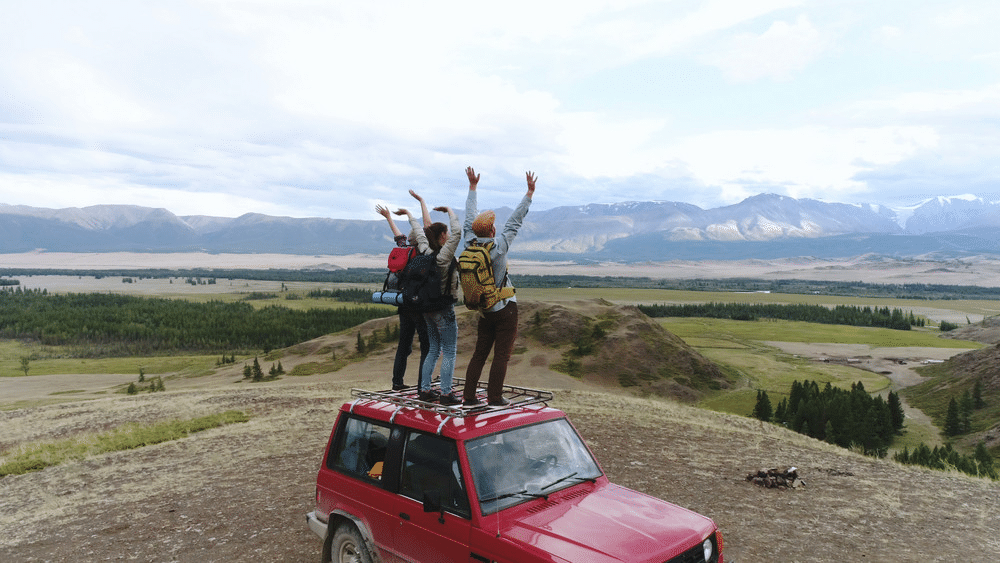
Transportation plays a role beyond individual journeys. The systems that move people from one place to another also connect businesses, communities, and destinations, creating a broader network that supports different types of travel and activity.
The scale of transportation can be seen in the growth projected for logistics markets. According to Statista, logistics expenditure in Singapore’s Transportation & Logistics market is projected to reach $58.24 billion by 2029, indicating the sector’s potential for significant growth.
Although logistics and personal travel can serve different purposes, both demonstrate how transportation connects different places and activities. A traveler may focus on reaching a beach destination, while transportation networks operate on a much broader scale to support the movement associated with commerce and everyday life.
This wider perspective can make it easier to recognize how much transportation contributes to modern mobility. The ability to travel for leisure exists within larger systems that connect locations and support movement.
For coastal travelers, that connection can make a getaway feel more accessible and achievable. Transportation provides the link between where a person starts and where they want to spend their time.
Coastal Destinations Can Give Travel a Clear Purpose

Once travelers reach the coast, the destination itself becomes an important part of the experience. A getaway can offer opportunities to step away from familiar routines and spend time enjoying an environment that feels different from everyday surroundings.
New Smyrna Beach provides one example of the type of coastal setting that can give a road trip or other journey a clear destination. According to U.S. News, New Smyrna Beach offers 17 miles of sandy beaches to enjoy.
Having an expansive coastal area to explore can give travelers flexibility in how they spend their time. A beach trip might involve relaxing by the water, walking along the shoreline, or simply enjoying a change of scenery. The destination can become the reward at the end of the journey.
Transportation and the destination, therefore, work together to shape the getaway. The journey creates the connection between home and the coast, while the destination gives travelers a reason to make that journey in the first place.
A coastal getaway is about more than simply reaching a beach. Transportation can influence how the journey unfolds, connect personal travel with broader mobility, and ultimately bring travelers to places where they can step away from their everyday routines. From the miles driven to the destination waiting at the end of the trip, the way people move can become an important part of how they experience a coastal escape.