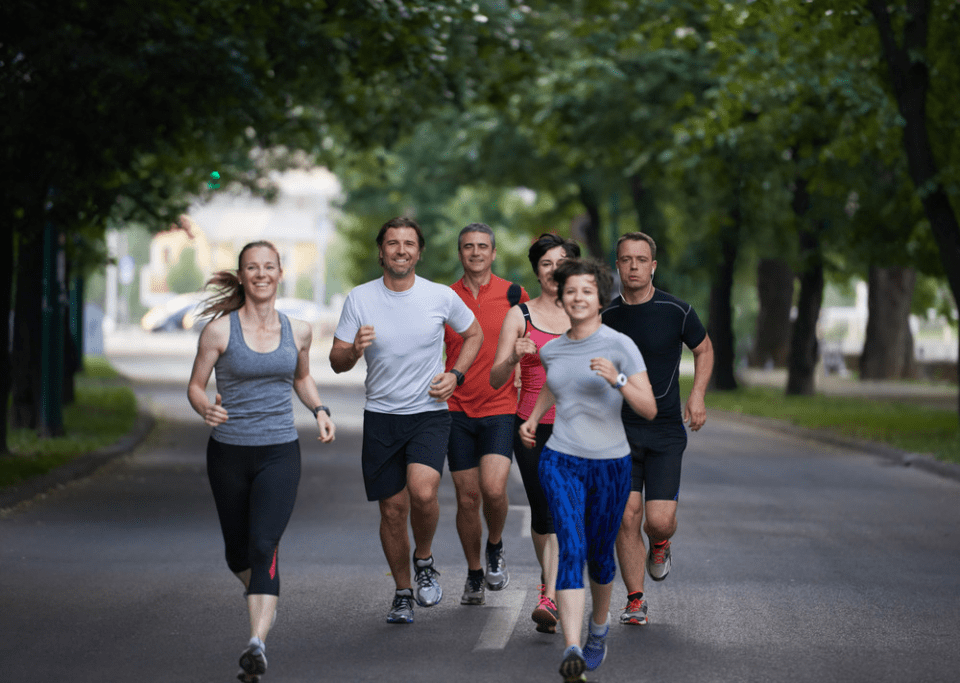
Running remains one of the most accessible ways to stay active, requiring little more than a good pair of shoes and a place to move. Yet behind that simplicity lies a genuine community, from local running clubs and school track teams to the well-maintained public tracks that make consistent training possible. Whether you’re lacing up for your first jog or organizing a team for a local race, understanding what supports a strong running culture can help both individuals and communities get more out of the sport.
Starting With the Right Foundation
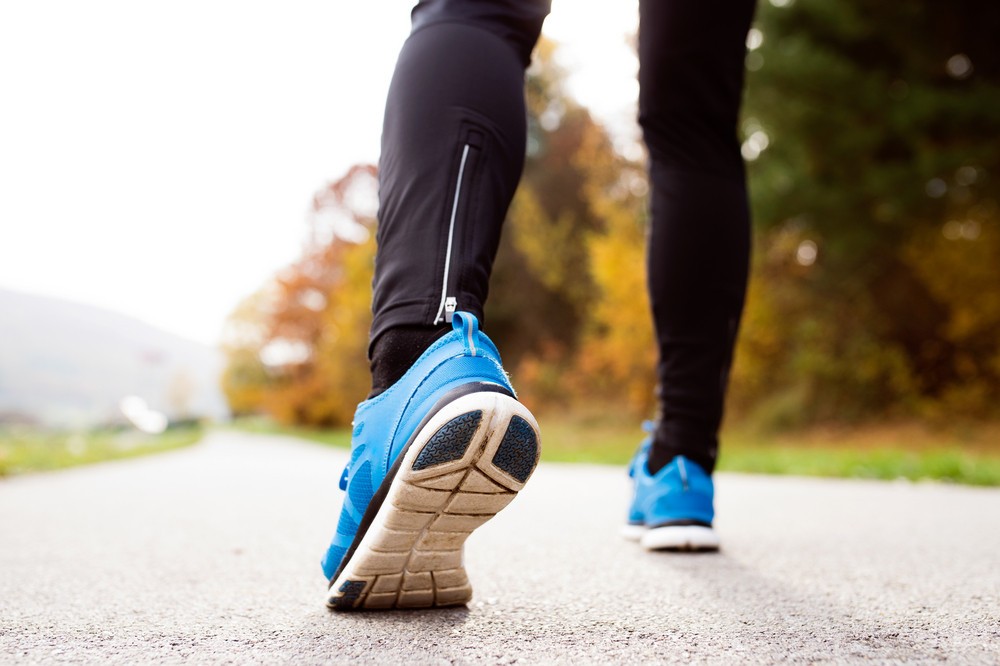
Every runner’s journey starts with the same essential piece of gear, and getting it right matters more than many beginners realize. Investing in properly fitted running shoes is one of the most important decisions a new runner can make, since poor footwear is a leading cause of common injuries like shin splints, plantar fasciitis, and knee pain. Unlike casual sneakers, running shoes are designed with specific cushioning, arch support, and stability features tailored to different foot types and running styles.
Many specialty running stores offer gait analysis to help identify whether a runner overpronates, underpronates, or has a neutral stride, information that significantly narrows down which shoe styles will actually feel comfortable over long distances. Beyond injury prevention, the right pair can make a noticeable difference in overall enjoyment, since uncomfortable or poorly matched shoes often discourage new runners before they’ve had the chance to build a consistent habit. Replacing shoes regularly, typically every 300 to 500 miles, also matters, since worn-out cushioning gradually loses its ability to properly support and protect the body.
Building Team Spirit and Hydration Habits
Running often becomes more sustainable and enjoyable when it’s shared, whether through a local club, a school team, or a group of coworkers training for a charity race together. Providing custom team water bottles for group events or training programs does more than just keep participants hydrated; it builds a sense of identity and belonging that helps people stay committed to showing up consistently. A shared bottle design, whether branded with a team name, a motivational phrase, or club colors, gives group members a small but meaningful symbol of the shared goal they’re working toward.
Beyond team spirit, proper hydration itself plays a genuinely important role in performance and safety, particularly during longer runs or hot weather training sessions. Encouraging consistent hydration habits, reinforced by something as simple as a dedicated, easy-to-carry bottle, helps runners avoid the fatigue, cramping, and reduced performance that often come from inadequate fluid intake during training.
Investing in Quality Public Infrastructure
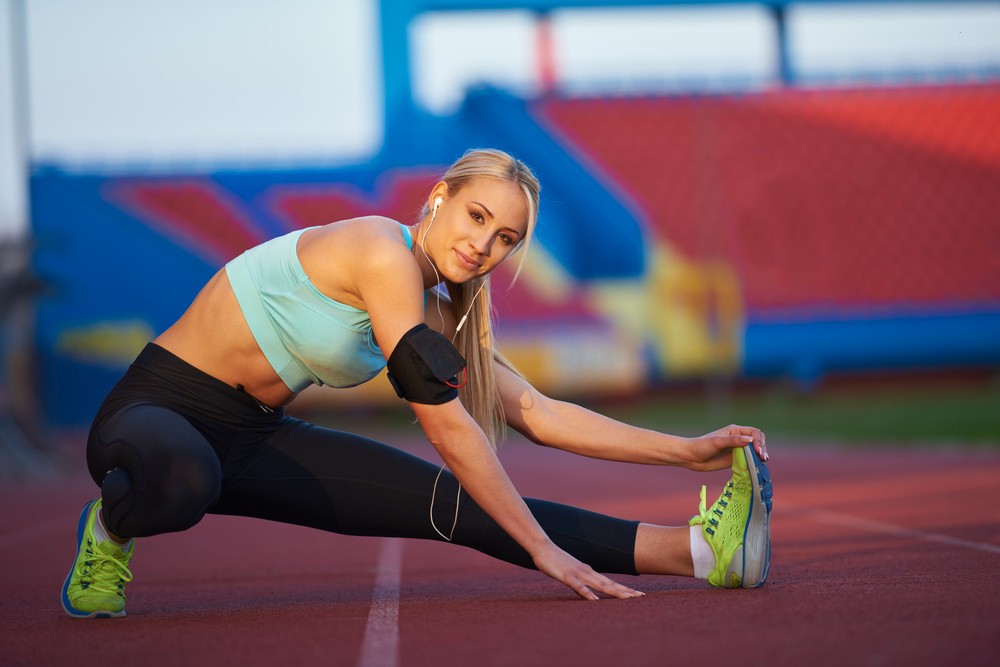
Individual gear and team spirit matter, but none of it functions well without access to safe, well-maintained places to actually run. Partnering with experienced track surfacing companies allows schools, parks departments, and community organizations to build and maintain running surfaces that reduce injury risk and provide consistent, reliable conditions for training. A properly installed and maintained track offers better shock absorption and traction than uneven pavement or worn-down surfaces, meaningfully reducing the strain placed on joints during regular training.
Quality track surfaces also tend to last significantly longer when installed and maintained correctly, protecting the public investment made in these facilities. For communities investing in public health infrastructure, a well-maintained track often sees far more consistent use than one that’s cracked, uneven, or poorly drained, since runners are naturally drawn to surfaces that feel safe and comfortable for regular training.
Supporting a Culture of Active Living
A strong running culture depends on more than individual motivation; it’s built on the combination of proper gear, shared community experiences, and quality public infrastructure working together. The right shoes protect individual runners from injury and discomfort, team-oriented touches like shared water bottles build the camaraderie that keeps people coming back, and well-maintained tracks give entire communities a safe, reliable place to train.
When these elements come together, running stops being an isolated individual effort and becomes something genuinely supported by the people and places around it, making it far more likely that both new and experienced runners stick with the habit for the long run.