
Cities are vibrant and exciting places to live, offering numerous opportunities and conveniences right at your doorstep. However, living in an apartment within a city presents its own set of unique challenges. From daily complaints to unexpected encounters, apartment dwellers must navigate a variety of issues that can impact their quality of life and health. Understanding these problems can help residents prepare and manage situations effectively.
Bug Infestations: A Common and Unwelcome Visitor
One of the most distressing problems city apartment dwellers face is bug infestations. Among all pests, bed bugs are particularly notorious for invading apartment complexes. ConsumerAffairs reports that these nuisances are responsible for 39% of pest-related issues within such buildings. This formidable number highlights the extent of bed bug problems in urban living spaces.
Bed bugs are notoriously challenging to eliminate once they’ve made their way into an apartment building. They spread swiftly from one apartment to another, often becoming a persistent issue that requires professional intervention. In addition to causing discomfort with itchy bites, these pests can lead to stress and anxiety, affecting the overall health and well-being of residents.
Residents are encouraged to take proactive measures to prevent infestations, such as regular inspections and promptly addressing any signs of bed bugs. Through vigilance and immediate action, tenants can help mitigate the spread of these unwanted guests. Collaborative efforts with property management can also play a vital role in maintaining a pest-free environment.
Moisture Concerns: Mold and Mildew
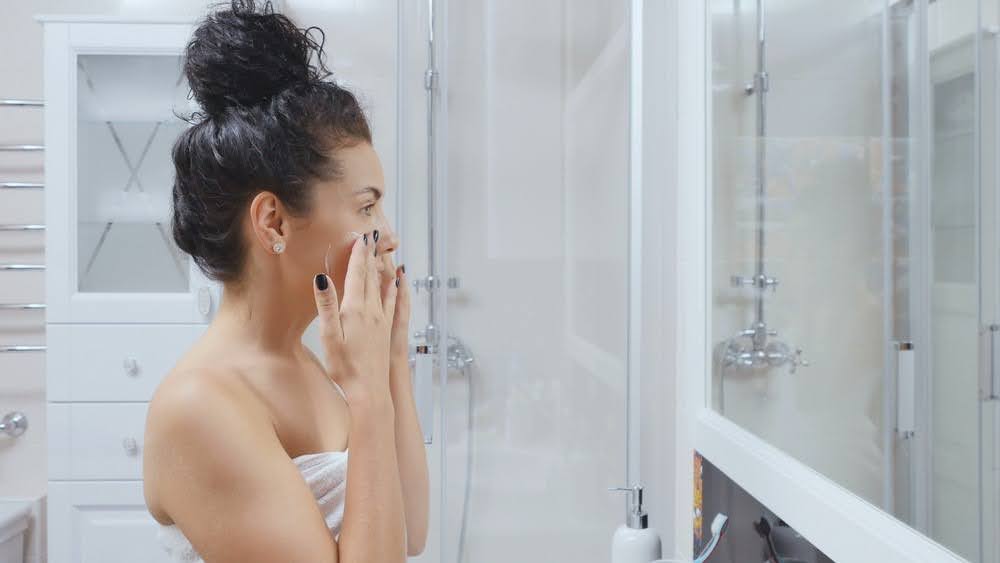
Another frequently encountered issue in city apartments is the presence of mold and mildew. The Federal Emergency Management Agency (FEMA) warns that mold can begin to develop on damp surfaces within just 24 to 48 hours. This rapid growth poses a significant threat, particularly in older buildings with outdated plumbing or inadequate ventilation, where moisture accumulation is common.
Mold not only damages property but also poses serious health risks to occupants. Inhalation or contact with mold spores can cause a range of issues, from allergic reactions to respiratory problems, especially in sensitive individuals. For this reason, it is essential to address mold problems promptly to safeguard both the physical property and the health of its inhabitants.
To prevent mold formation, residents should ensure their apartment is well-ventilated, promptly address any water leaks, and maintain clean and dry environments, especially in high-moisture areas like kitchens and bathrooms. Regular maintenance checks and timely repairs are crucial preventive steps against this insidious problem.
Cockroaches: Understanding the Persistent Pests
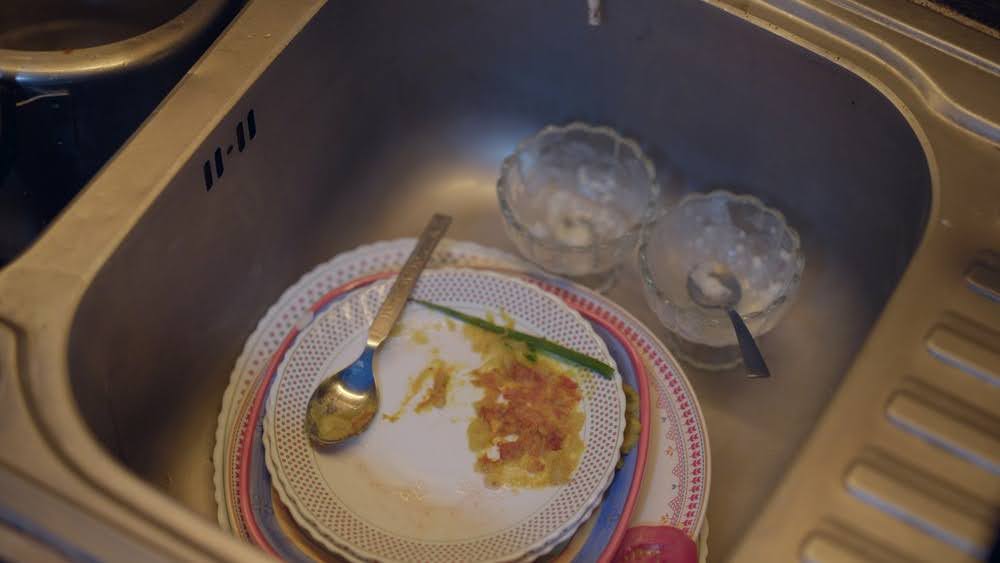
Cockroaches are yet another common pest that city dwellers must contend with. With approximately 4,600 species of cockroaches globally, only about 30 are known to thrive in human environments. Those that do find refuge in apartments can become a significant health concern due to their potential to spread allergens and diseases.
Cockroaches are resilient survivors, often requiring strategic management to control their population. They are attracted to food residues and clutter, making cleanliness a key factor in reducing their presence. Apartment residents can reduce cockroach infestations by keeping homes meticulously clean and sealed, ensuring that food is stored properly, and thoroughly cleaning food preparation areas.
Keeping cockroaches at bay is not only about maintaining cleanliness but also involves sealing entry points and using deterrents when necessary. A comprehensive approach combining good hygiene, sealing gaps, and possibly enlisting pest control professionals can effectively keep these persistent pests under control.
Living in a city apartment brings with it the potential for several unique challenges, particularly relating to pest control and moisture management. Understanding these issues—bed bug infestations, mold development, and cockroach invasions—allows residents to take preventive actions and mitigate risks. Staying informed and vigilant helps ensure a healthier, more comfortable living environment for all apartment dwellers.