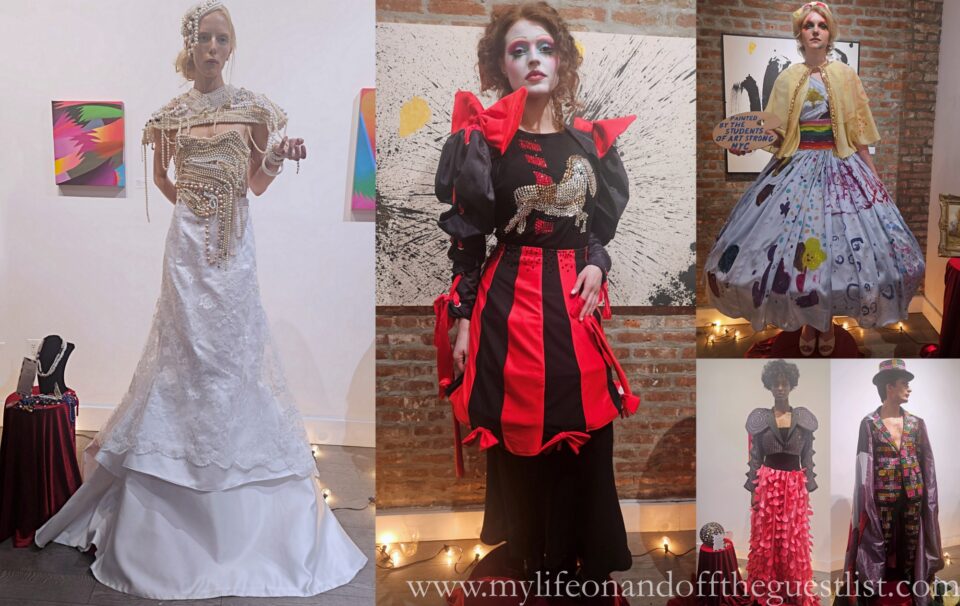
On Friday night in TriBeCa, Evan Hirsch officially stepped onto the NYFW calendar for the first time. Rather than marking the moment with excess, he chose precision. Partnering once again with ShopGoodwill.com, Hirsch presented a tightly edited five-look collection that reframed resale not as thrift or necessity, but as couture’s raw material.
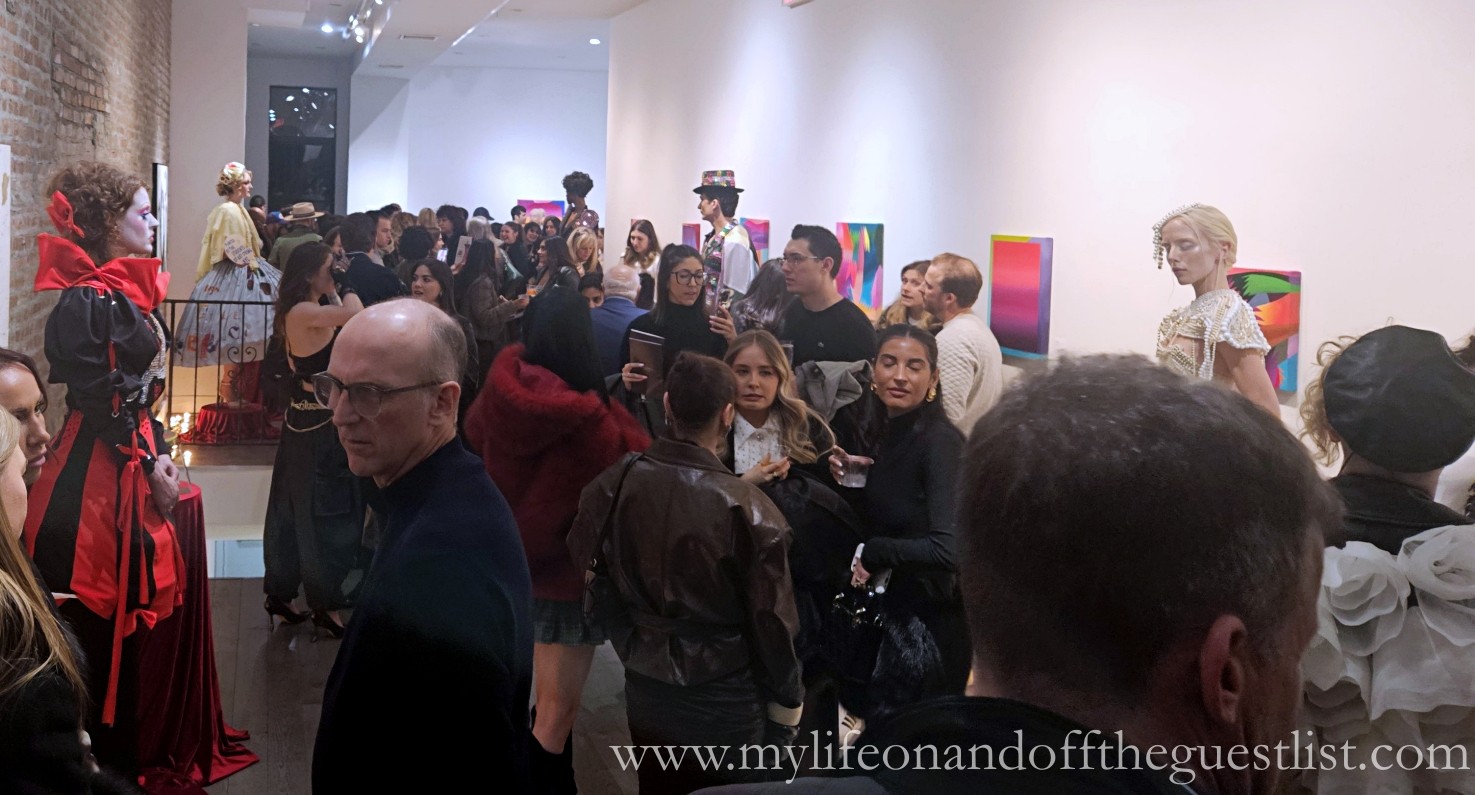
Staged at Friedrichs Pontone, the presentation marked the duo’s second collaboration following last season’s expansive, 30-plus-look runway. This time, restraint sharpened the message. Each garment was sourced from a trending ShopGoodwill.com category, transforming the platform’s digital treasure hunt into a study in sculptural fashion. Fewer looks allowed the craftsmanship to speak louder.
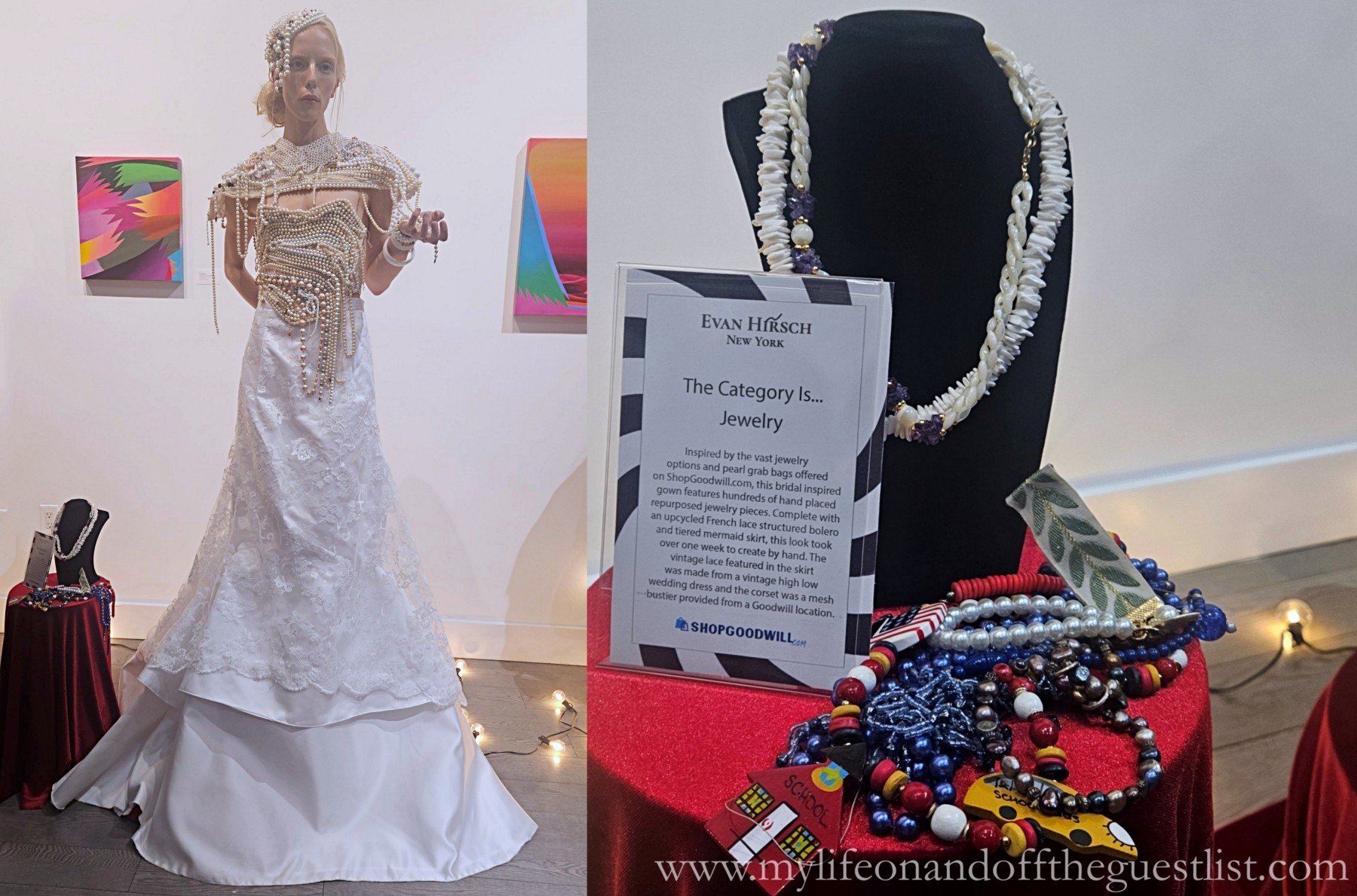
The first look set the tone: a bridal-inspired gown built from hundreds of repurposed jewelry fragments. Vintage hardware shimmered across the surface, meticulously hand-placed, while reworked French lace from a high-low wedding dress grounded the piece. The result felt less nostalgic than defiant, a vision of opulence untethered from traditional luxury supply chains.
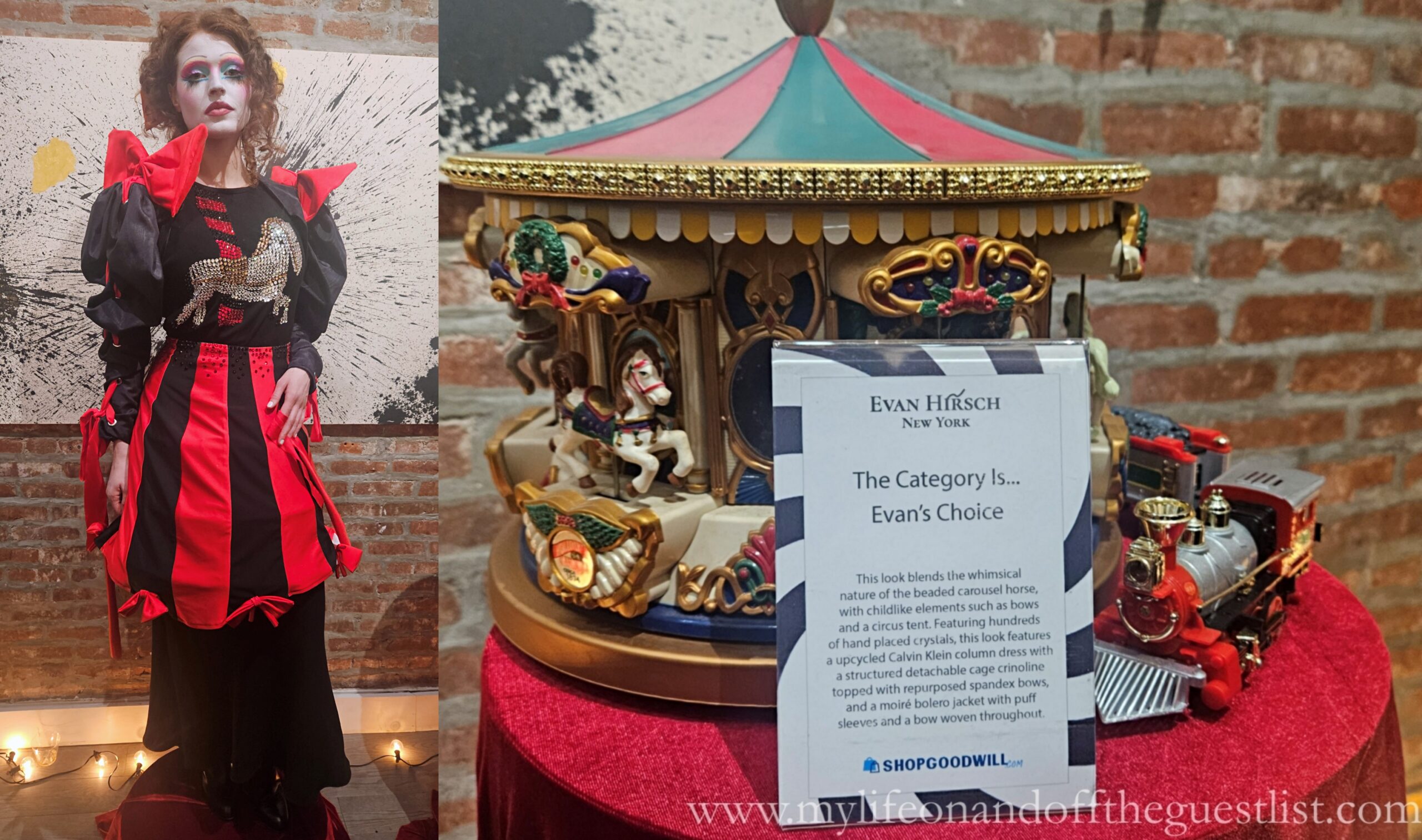
Hirsch’s “Evan’s Choice” look leaned into playful subversion. Mining vintage toys for inspiration, he anchored a beaded carousel horse motif atop an upcycled Calvin Klein column dress. A structured cage crinoline, bows, and circus-inflected detailing balanced whimsy with architectural control, proving that humor and rigor can coexist.
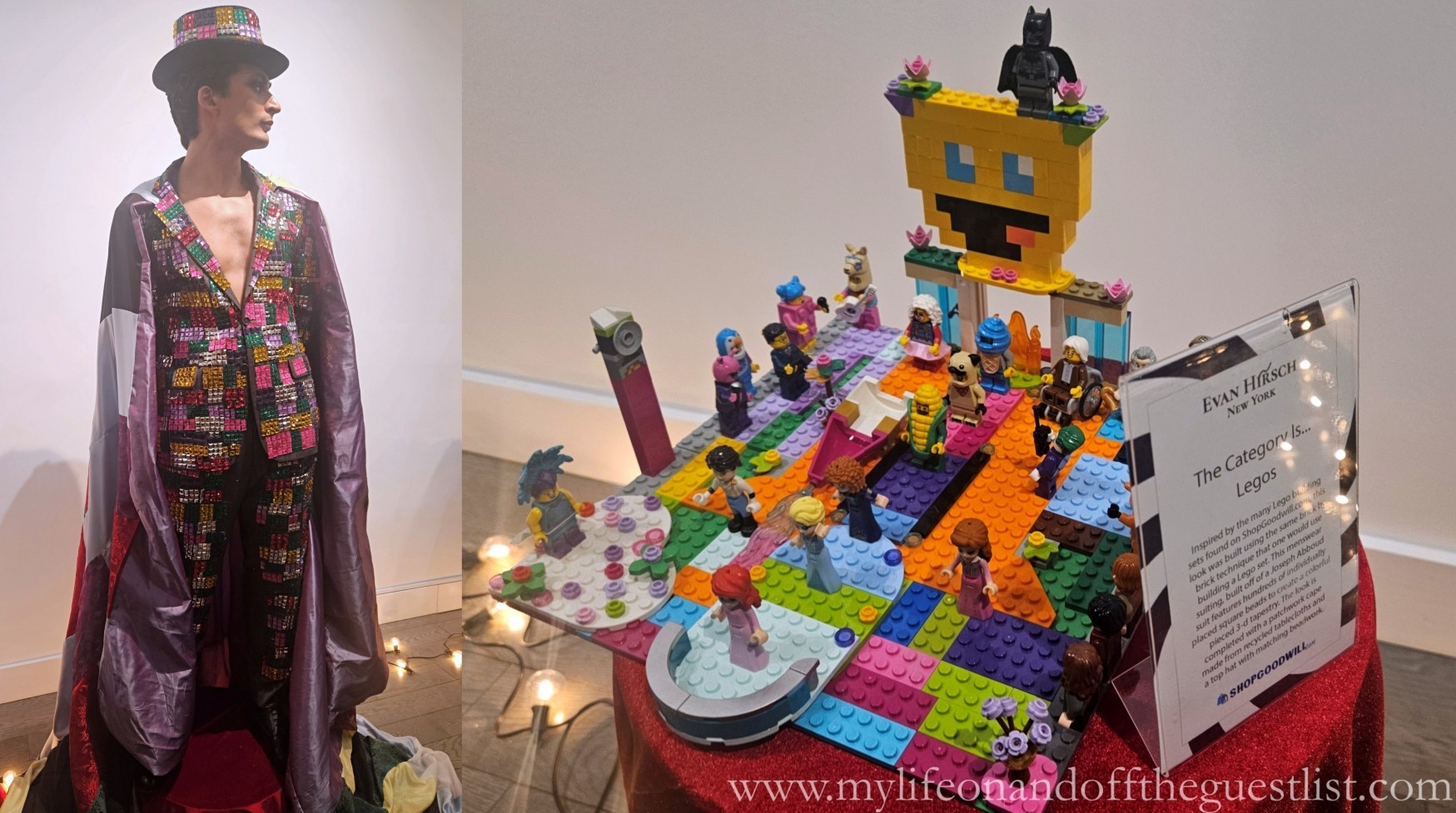
Menswear entered decisively through a Joseph Abboud suit reconstructed brick by brick in square, LEGO-like beadwork. The jacket and trousers became a dimensional mosaic, paired with a recycled patchwork cape and a matching beaded top hat. The look edged toward theatricality without sacrificing structure, a recurring tension Hirsch handles with confidence.
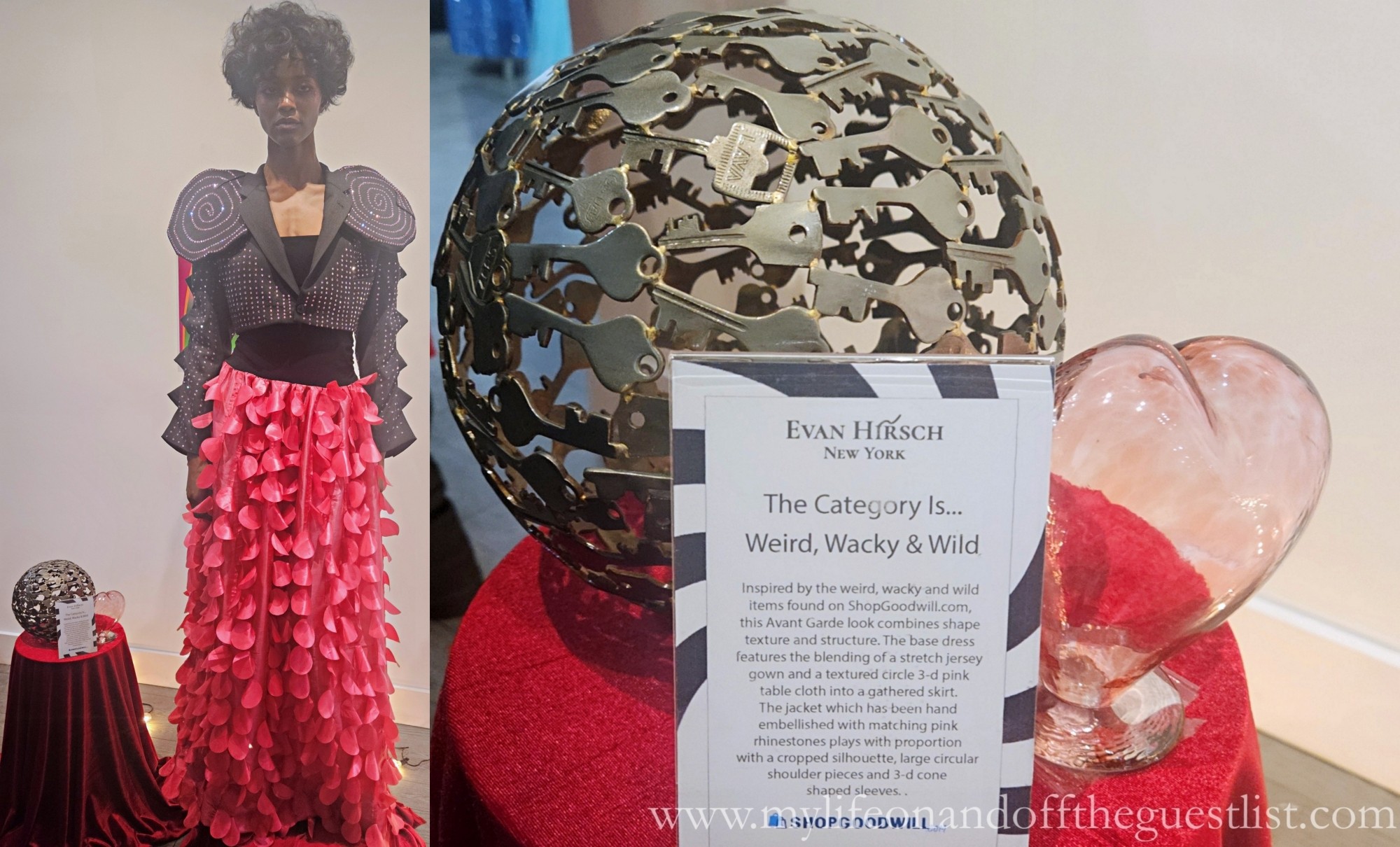
The “Weird, Wacky & Wild” ensemble pushed proportion to its limits. Exaggerated circular shoulders, cone-shaped sleeves, and a textured pink skirt fashioned from tablecloth fabric embraced volume and surprise. It was unapologetic, almost confrontational, and entirely intentional.
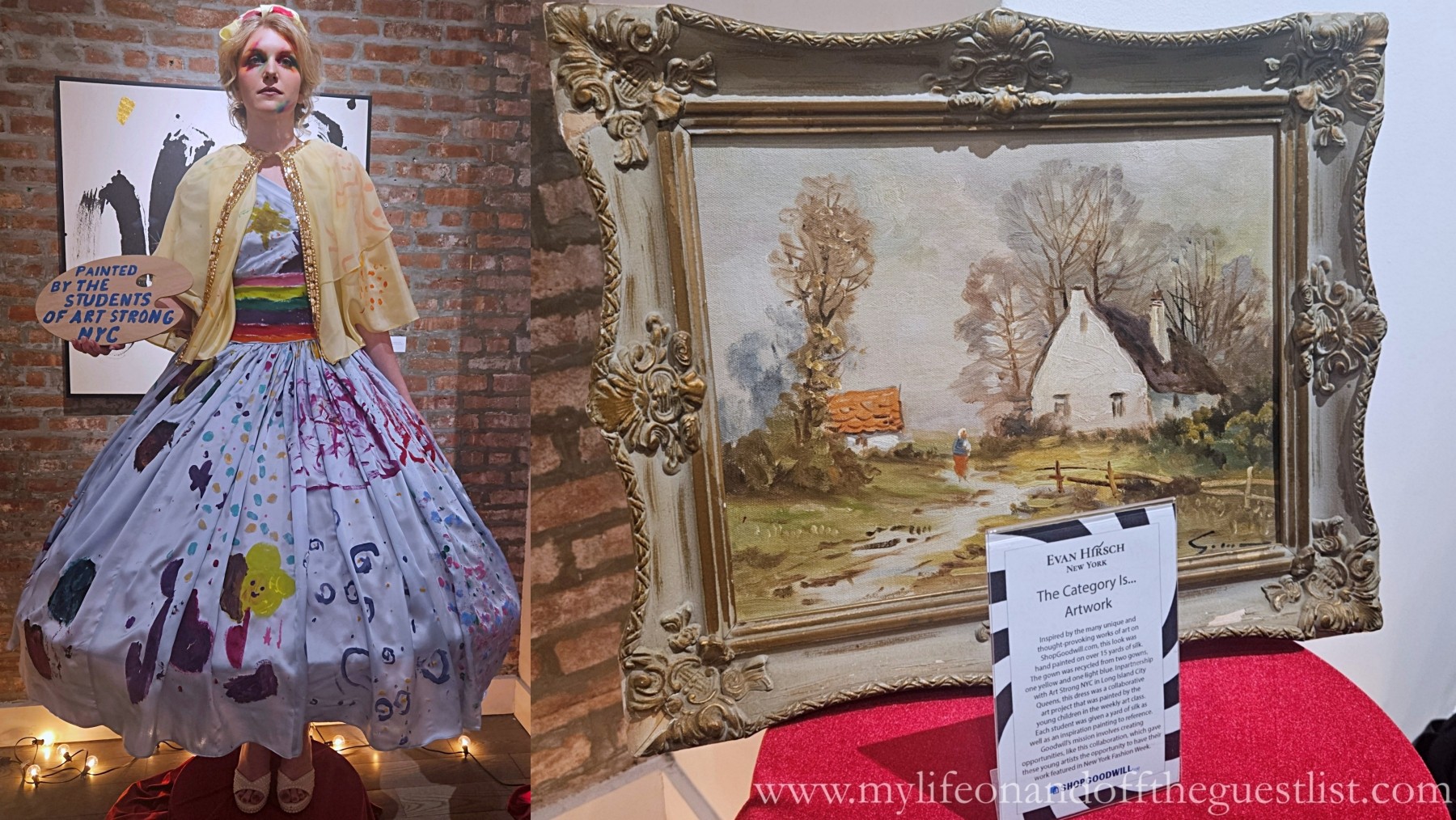
The closing look delivered the collection’s emotional core. A silk gown, hand-painted across more than 15 yards of recycled fabric, was created in collaboration with Art Strong NYC. Young students contributed brushstrokes that Hirsch assembled into a layered cape silhouette, turning Goodwill’s mission of opportunity and reinvention into a literal, wearable form.
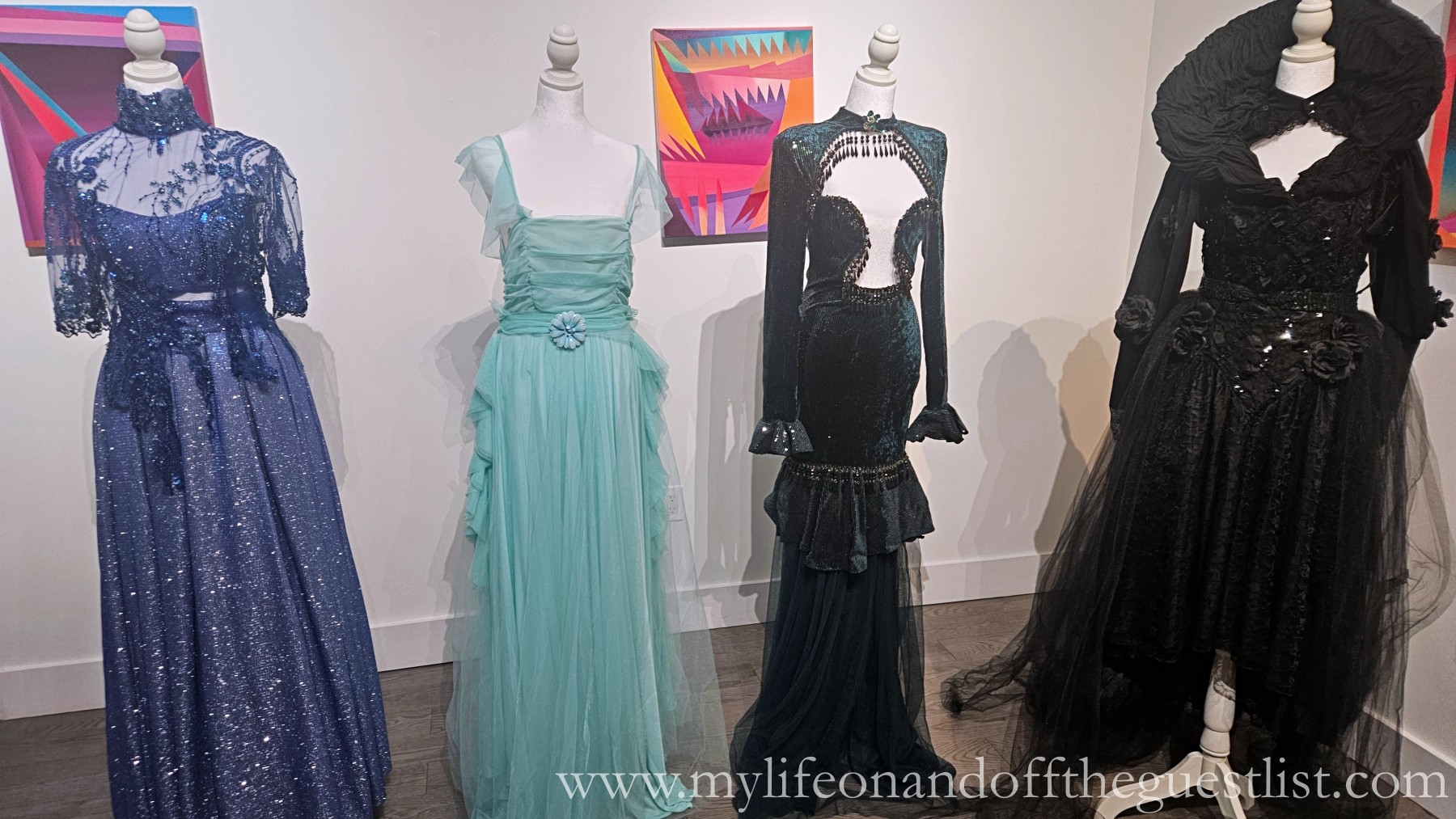
The gallery buzzed throughout the evening. Editors, digital creators, and industry insiders documented details up close, phones raised, flashes constant. Hirsch, backed by a large TikTok following, shifted easily between being a hands-on designer and an online creator, showing how today’s fashion world increasingly values both.
As resale continues its meteoric rise, Hirsch’s debut signals more than a personal milestone. It points toward a broader shift in fashion’s value system, where secondhand is no longer framed as a compromise but as a creative advantage waiting to be cut, beaded, and reborn.