
In the world of dining, both safety and presentation play crucial roles in shaping the overall customer experience. As diners become increasingly discerning about their food choices, restaurants and catering services need to pay close attention to these elements. This article aims to explore key aspects that can make or break the reputation of a dining establishment.
Maintaining High Standards of Food Quality
Food quality remains one of the most decisive factors for patrons when selecting a catering service. According to a survey by Toast, 58% of respondents identified a high level of food quality as the most significant factor in their choice. This highlights the need for establishments to ensure that their dishes consistently meet customers’ expectations in terms of taste, freshness, and presentation.
Investing in top-quality ingredients and experienced chefs is foundational for maintaining excellence in food quality. Regular training and quality checks help staff stay aligned with the expectations of discerning customers. Creating visually appealing dishes not only tantalizes the taste buds but also enhances the overall dining experience, leaving a lasting impression.
Consistency in food quality can significantly boost a restaurant’s reputation and customer loyalty. It is not just about one perfect meal but maintaining a standard over time that patrons can rely on. When customers trust that they will receive high-quality food, they are far more likely to return for future dining experiences.
Ensuring Rigorous Food Hygiene Protocols
Food hygiene is critical in protecting the health of diners and sustaining an establishment’s reputation. According to Jolt, a notable 66% of people would refuse to revisit a restaurant if they encountered poor hygiene. Implementing stringent sanitation protocols is crucial for preventing foodborne illnesses and ensuring customer safety.
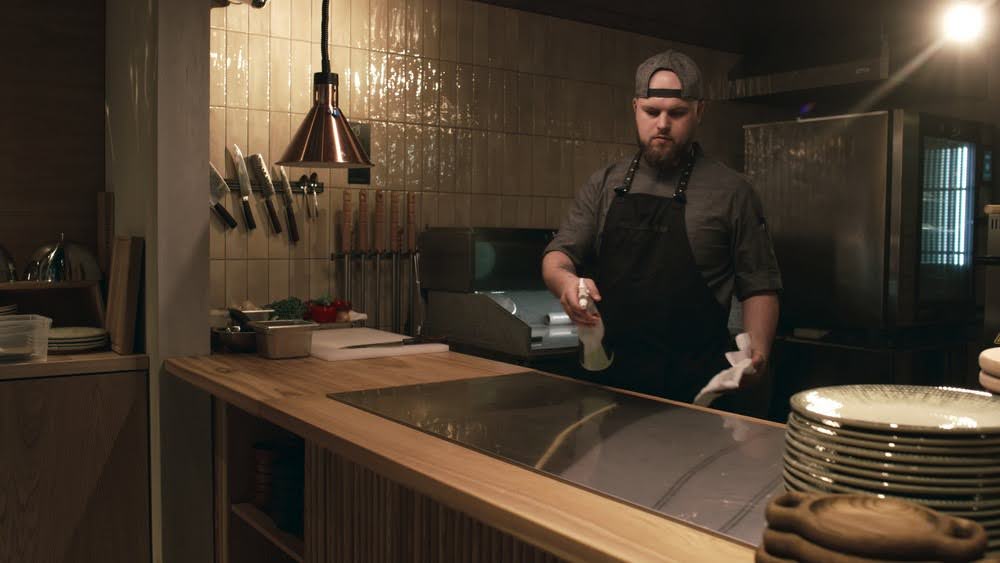
Staff training on hygiene practices, such as regular hand washing and proper food handling, is essential in any dining establishment. Additionally, maintaining clean workspaces and kitchen equipment helps minimize the risk of contamination. Regular health inspections can provide an objective assessment of a restaurant’s hygiene standards, pushing establishments to continuously improve.
Hygiene is not solely about the cleanliness of the food; it extends to the entire dining environment. Proper waste disposal and clean restrooms are critical to creating a safe and welcoming atmosphere. By prioritizing hygiene, restaurants and caterers can prevent negative experiences that can tarnish their reputation and deter potential customers.

The Importance of a Clean and Welcoming Atmosphere
The cleanliness of a dining environment greatly influences customer perceptions of a business. Healthcare Facilities Today reports that 93% of Americans would have a negative view of any establishment with dirty carpets, stains, animal hair, or food residue. This underscores the importance of cleanliness in enhancing the overall dining experience for customers.
A clean space instills confidence, making customers feel comfortable and valued. Regular maintenance and cleaning schedules should be implemented to ensure every aspect of the dining area meets high standards. Attention to detail, from the cleanliness of menus to the condition of furniture, plays a significant role in creating a positive impression.
The ambiance of a restaurant, crafted through cleanliness and thoughtful design, can complement the quality of food and create a compelling experience. When customers sense that cleanliness is prioritized, they are more likely to enjoy their time and recommend the establishment to others. Restaurants that combine a clean setting with top-notch food and service position themselves as leaders in the competitive dining industry.
The combination of food safety, high-quality presentation, and a clean dining atmosphere is a crucial component in the success of any restaurant or catering service. By focusing on these areas, establishments can ensure they meet and exceed customer expectations, fostering loyalty and encouraging positive word-of-mouth. As diners continue to prioritize safety and quality in their culinary experiences, these elements will remain vital for any business seeking long-term success in the food industry.