
A healthy smile is about much more than appearance. Good oral health supports overall well-being, boosts confidence, and helps prevent problems that can become costly and uncomfortable over time. Preventive dental care focuses on daily habits and professional care that work together to protect teeth and gums before serious issues develop. By understanding the value of prevention, individuals can make informed decisions that contribute to both long-term health and self-esteem.
The Daily Habits That Support a Healthy Smile
Preventive dental care begins at home. Consistent oral hygiene practices help remove plaque, reduce the risk of cavities, and protect gum health. Brushing, flossing, and maintaining a balanced diet are simple yet effective ways to support oral wellness every day.
According to the American Dental Association, about 72% of Americans brush their teeth at least twice daily, while only 59% floss on a regular basis. This gap highlights an important aspect of preventive care, as flossing helps clean areas between teeth that a toothbrush cannot easily reach. Neglecting these spaces can allow plaque and bacteria to accumulate, increasing the likelihood of gum disease and tooth decay.
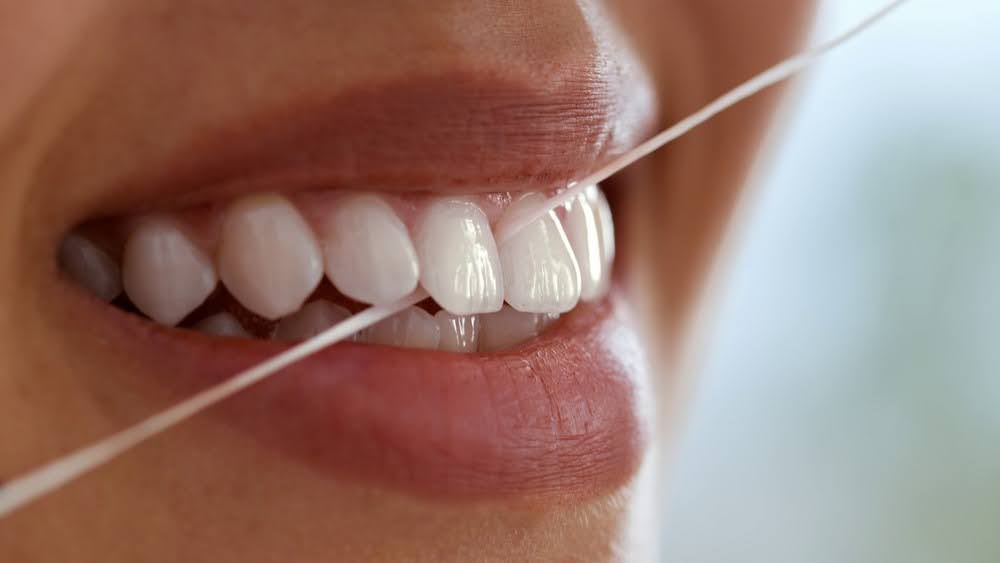
In addition to brushing and flossing, regular dental checkups provide an opportunity for professionals to identify potential concerns before they become serious. Early detection often leads to simpler and less expensive treatment options. These preventive measures not only preserve oral health but also help people maintain a bright, attractive smile that contributes to greater confidence in social and professional interactions.
Preventing Oral Health Problems Before They Start
The benefits of preventive care extend far beyond maintaining an attractive appearance. Oral diseases can affect daily life by causing pain, discomfort, difficulty eating, and even challenges with speaking. Fortunately, many of these conditions can be prevented with consistent care and professional guidance.
According to the National Institute of Dental and Craniofacial Research (NIDCR), quality dental care can help prevent oral diseases that impact approximately 3.5 billion people around the world. This statistic underscores the widespread nature of oral health issues and the importance of proactive care.
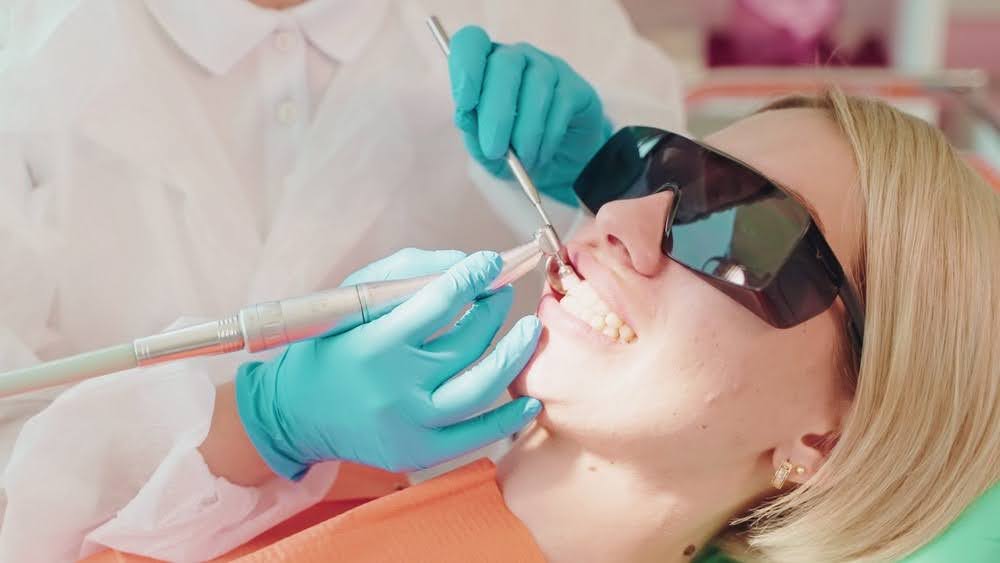
Preventive dentistry often includes routine cleanings, oral examinations, fluoride treatments, and patient education. These services are designed to reduce risk factors and support long-term oral health. Individuals who prioritize preventive care are often better equipped to avoid severe dental conditions that may require extensive procedures in the future. Furthermore, maintaining good oral health can have positive effects on overall quality of life, helping people feel more comfortable and confident in their daily activities.
Long-Term Benefits of Protecting and Restoring Your Smile
Even with excellent preventive habits, some people may experience tooth loss due to injury, age, or other factors. Fortunately, modern dentistry offers reliable solutions that can restore both function and appearance. One of the most effective options is dental implants, which closely resemble natural teeth and help preserve jaw structure.
According to the National Library of Medicine, dental implants demonstrate a success rate of roughly 90% to 95% even after ten years of use. This impressive long-term performance makes them a valuable option for individuals seeking durable tooth replacement solutions.
While restorative treatments can effectively address tooth loss, prevention remains the best strategy whenever possible. Protecting natural teeth through regular dental visits, proper oral hygiene, and healthy lifestyle choices can reduce the likelihood of needing extensive treatment. When restorative procedures are necessary, however, modern advancements provide patients with opportunities to regain confidence and improve their quality of life through functional, natural-looking results.
Preventive dental care plays a vital role in supporting beauty, confidence, and overall health. Simple daily habits such as brushing and flossing, combined with regular professional care, can significantly reduce the risk of oral disease and help preserve a healthy smile. By taking a proactive approach to oral health and addressing concerns early, individuals can enjoy lasting benefits that extend well beyond their teeth, enhancing both their well-being and self-confidence for years to come.